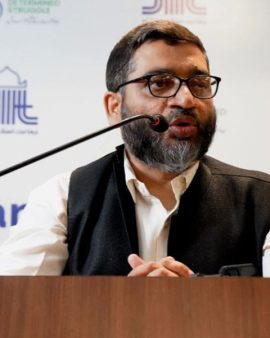
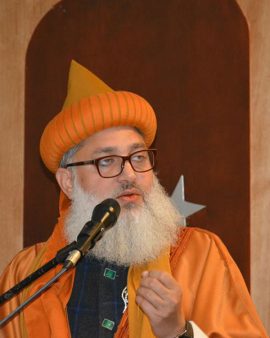
Zahir Ishaq Kazi: Community leader/ Educationist
Dr. Zahir Ishaq Kazi (born1954) is a prominent figure in education, literature, and medicine, serving as the President of Anjuman-I-Islam, the largest educational conglomerate catering to minorities in India, founded in 1874. He earned his MBBS from Goa Medical College and pursued advanced medical training in Radiology, with fellowships at prestigious institutions in the U.S. Dr. Kazi's extensive medical career includes significant roles in renowned hospitals in Mumbai and an international assignment at King Fahad Hospital in Saudi Arabia.
His association with Anjuman-I-Islam spans over 30 years, where he has held various leadership positions, ultimately becoming its president for the last 15 years. Under his leadership, the organization has experienced substantial growth, introducing new institutions and programs while ensuring accreditation and financial stability. Notably, Dr. Kazi championed women's empowerment by appointing over 85% of women as heads of institutions and transforming orphanages into compliant and graded homes for women.
Dr. Kazi's impact extends beyond education into governance, where he has served on multiple committees in Maharashtra and Goa, influenced national education policy as Chair of the National Monitoring Committee of Minority Education, and held significant roles in the Government of India. He also supports various educational trusts and has served as a Senate member at the University of Mumbai.
His contributions have been recognized through numerous national and international awards, including the “Life Time Achievement Award” from the Ministry of AYUSH and the Sir Syed Excellence National Award from Aligarh Muslim University. Dr. Kazi's visionary leadership has solidified Anjuman-I-Islam's status as a leading institution at both national and international levels.