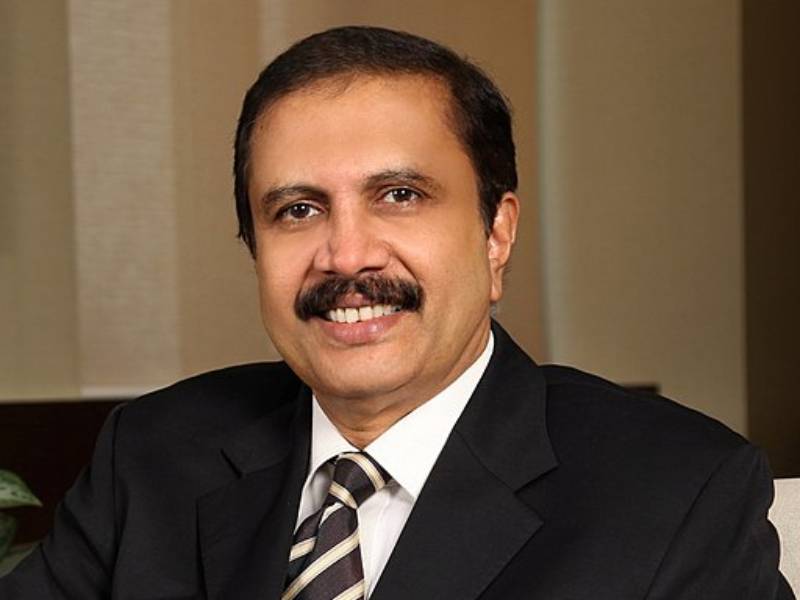
M. Nurul Islam: The Visionary Who Built Al Ameen Mission and Transformed Muslim Education in Bengal
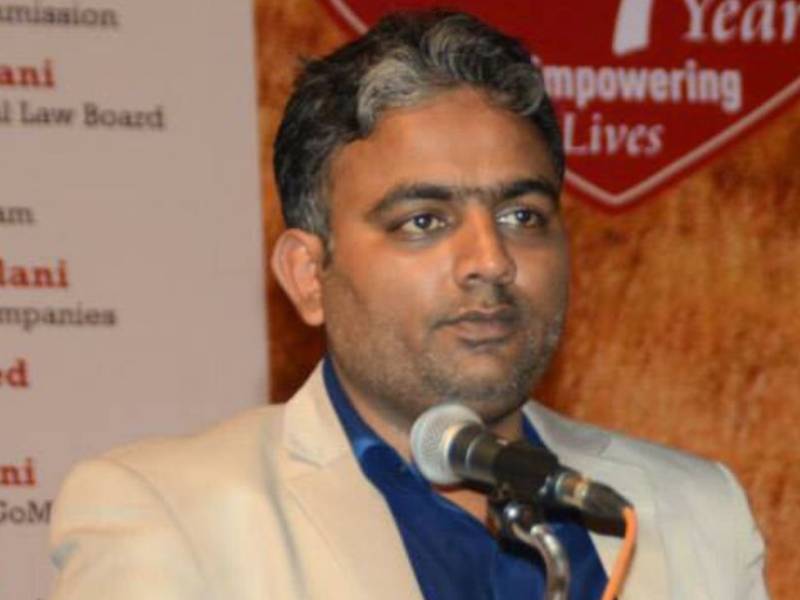
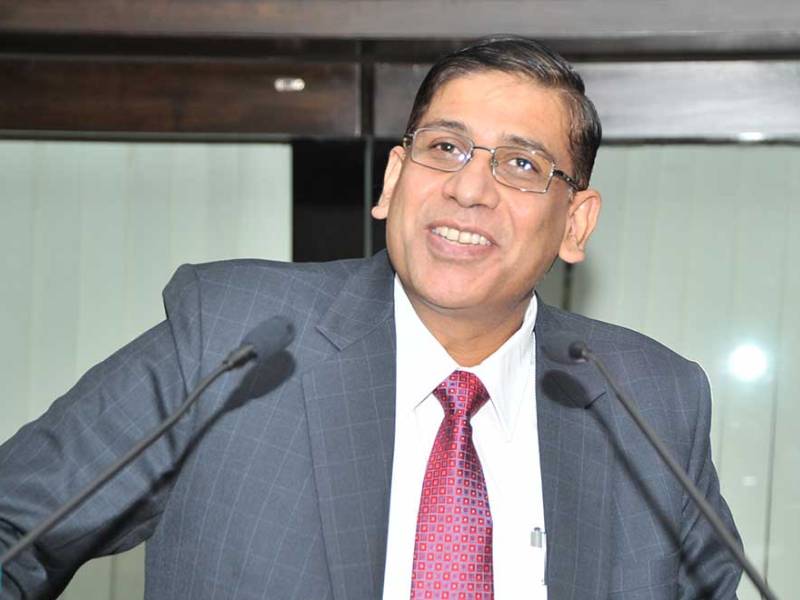
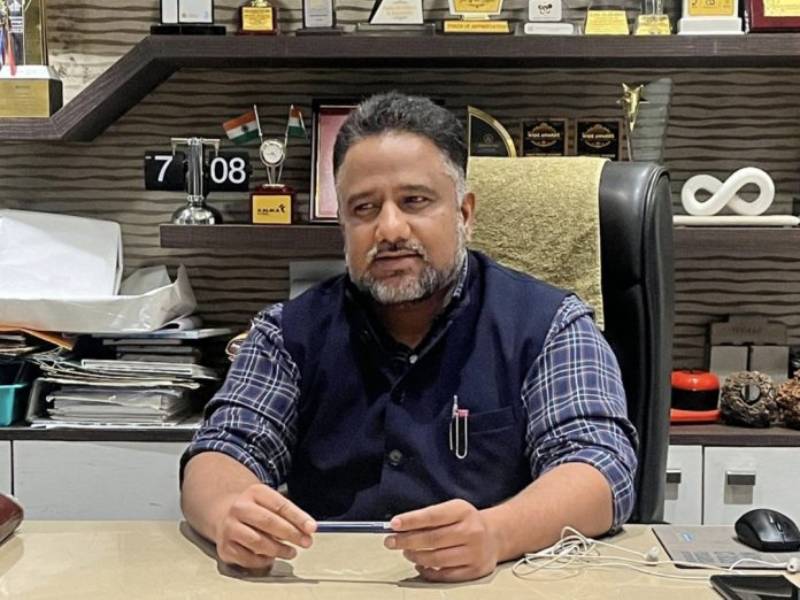
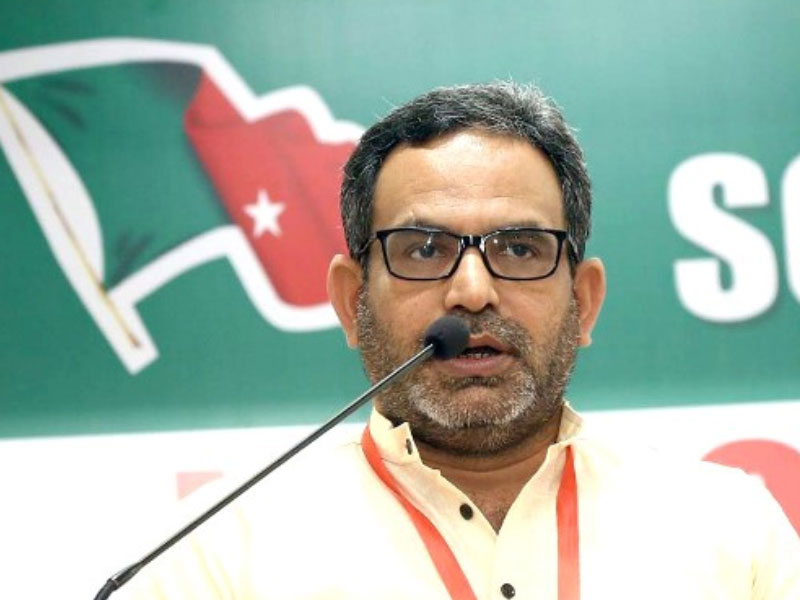
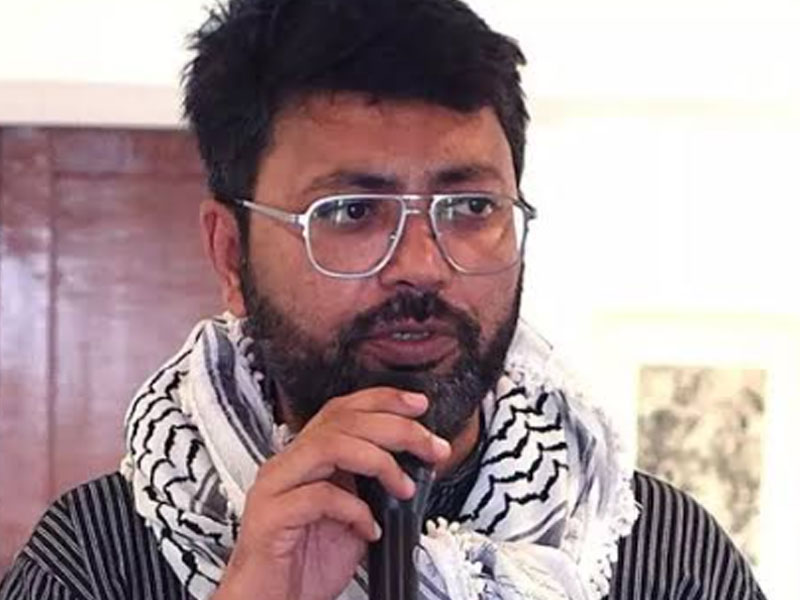
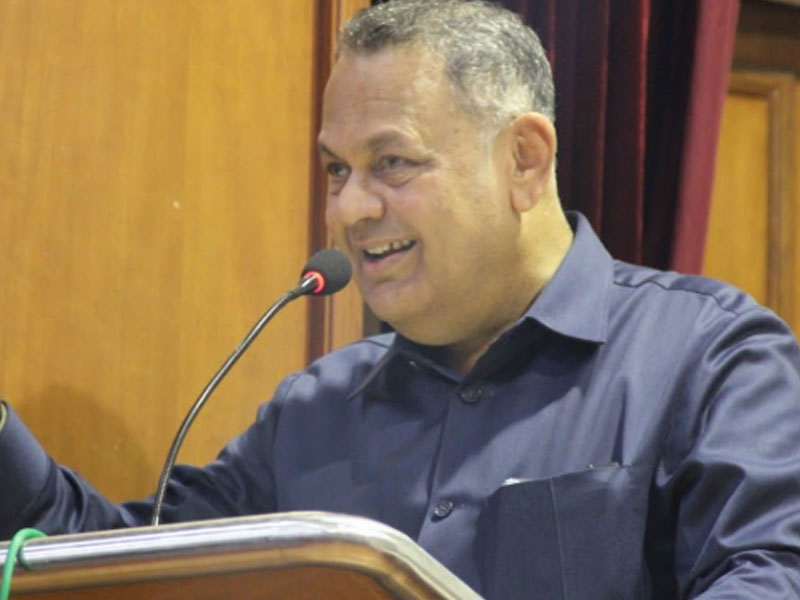
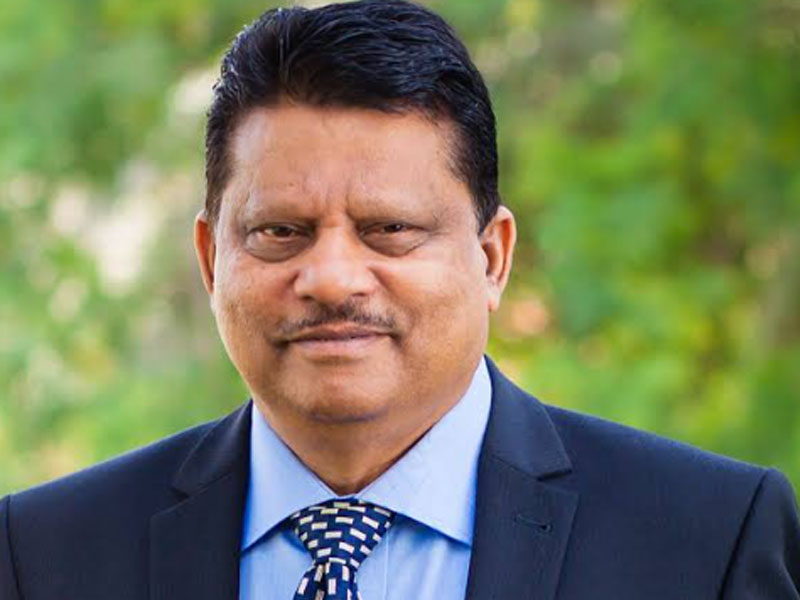
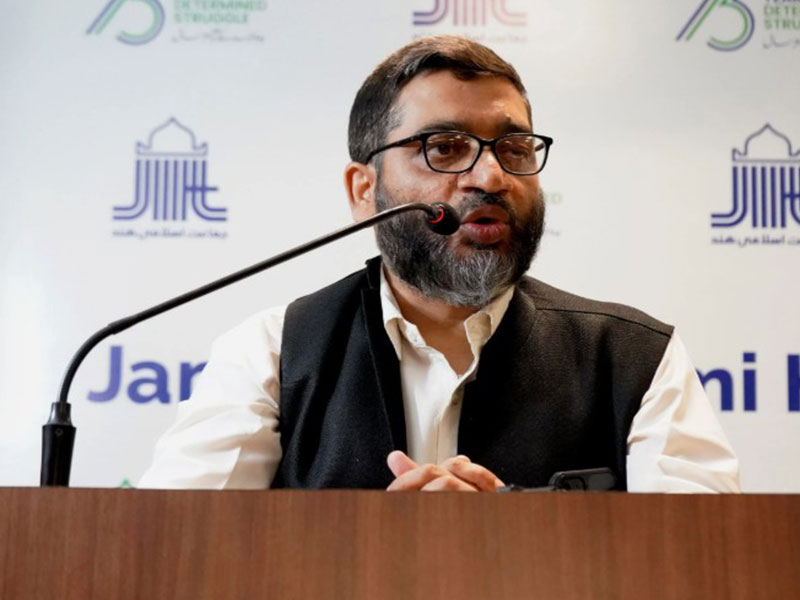
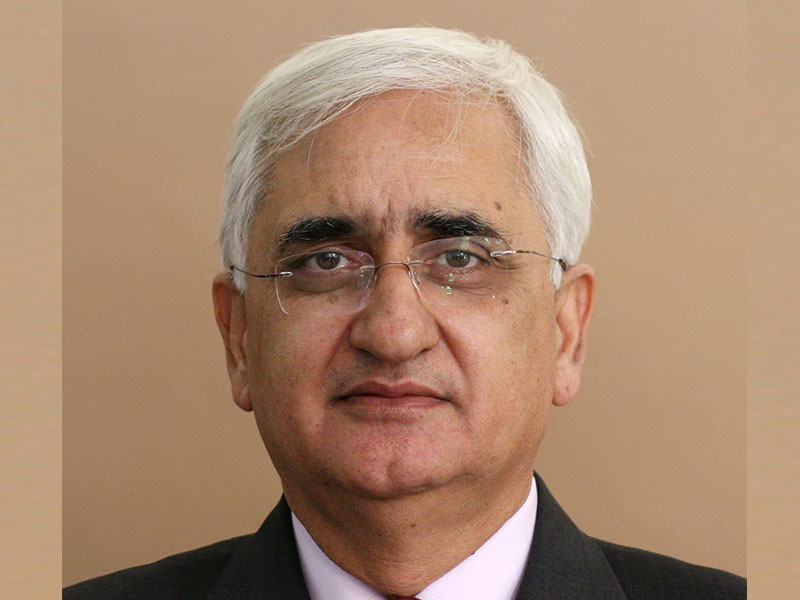
M Nurul Islam is the visionary founder of Al Ameen Mission, a pioneering educational movement dedicated to uplifting underprivileged Muslim students in West Bengal and other parts of India. Born in 1953 in the small village of Khalatpur in Howrah district, West Bengal, Nurul Islam came from a modest background, but his passion for education and community service shaped his life's mission.
M. Nurul Islam, the Secretary General of Al-Ameen Mission, established Khalatpur Junior High Madrasa in 1976 while still a 10th-standard student. In May 1984, he founded the Institute of Islamic Culture and, in 1986, set up a hostel within the madrasa building. This initiative was funded through a unique community effort—collecting a fistful of rice from every household in his village, Khalatpur. In January 1987, the institution was renamed Al-Ameen Mission.
Beyond education, Al-Ameen Mission is actively involved in charitable work, particularly for the Muslim community. It has provided loans to unemployed Muslims and runs scholarship programs to support underprivileged students from various communities.
Al-Ameen Mission is a residential educational institution located near Khalatpur, Udaynarayanpur, Howrah, West Bengal, India. Established in 1986, it has expanded to 56 branches across 15 districts in the state, currently housing around 12,000 residential students. Over the years, approximately 16,000 students have graduated from the institution.
The mission follows the curriculum of WBBSE, WBHSE, and CBSE boards. In recognition of its contributions to education, Al-Ameen Mission was honored with the prestigious Banga Bhushan Award in 2015.
Under Nurul Islam's leadership, Al Ameen Mission became known for its emphasis on holistic education, blending modern academics with ethical and moral values rooted in Islam. The Mission has been particularly successful in preparing students for competitive exams like NEET and JEE, enabling many of its alumni to secure admission to top medical, engineering, and other professional institutions in India.
Nurul Islam's work has been widely lauded for transforming the educational landscape for Muslim students in Bengal. His mission has not only raised the standard of education but also instilled a sense of hope and empowerment among Muslim youth. His dedication to social upliftment through education has made him a respected figure, not only in the Muslim community but across India. Nurul Islam continues to inspire future generations with his unwavering commitment to education and community service.
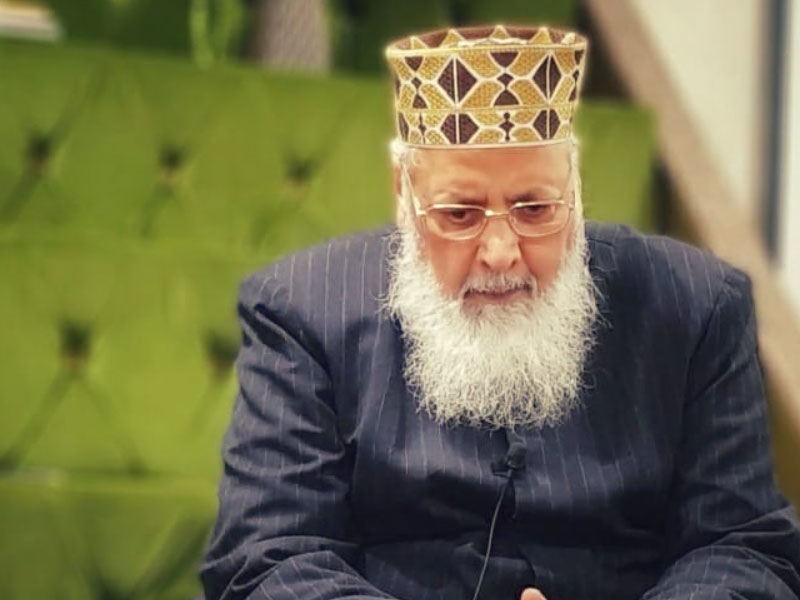
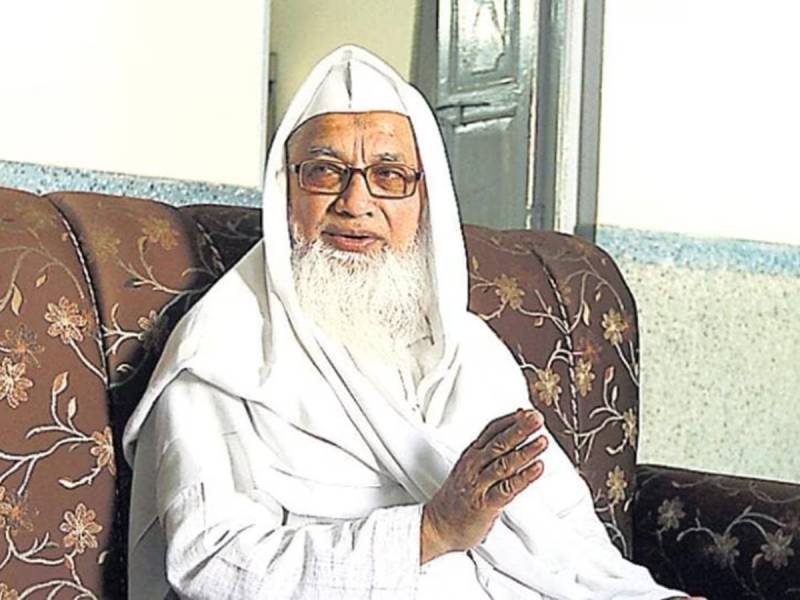
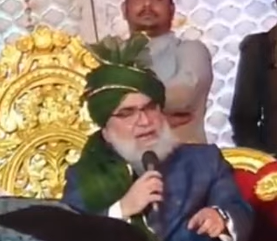
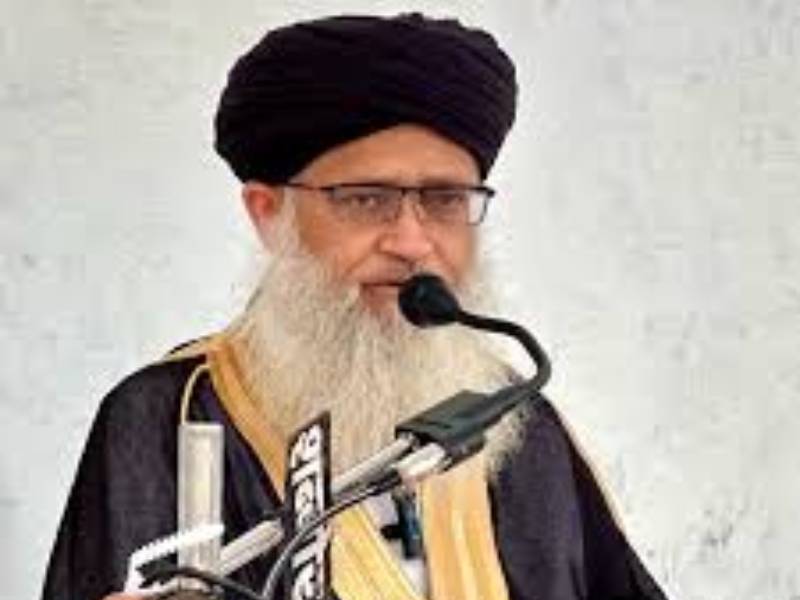
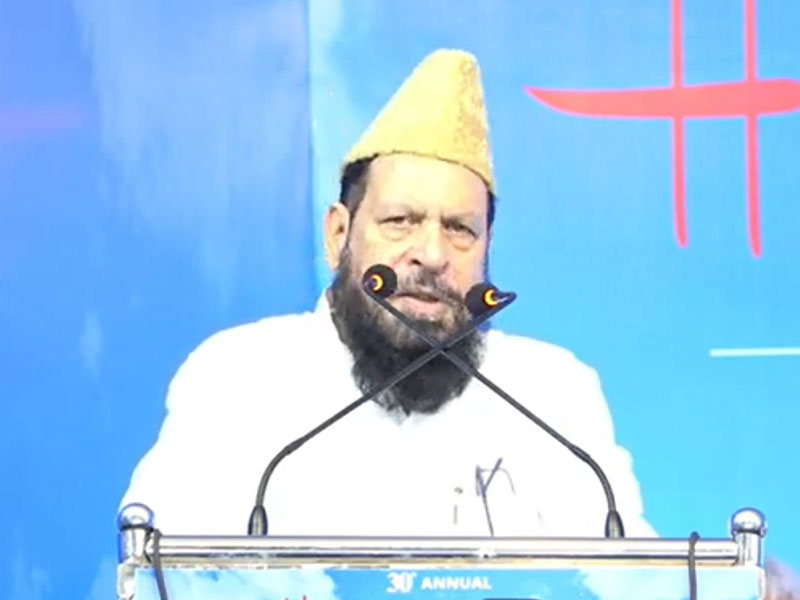
Qumruzzama Azmi: Islamic Scholar
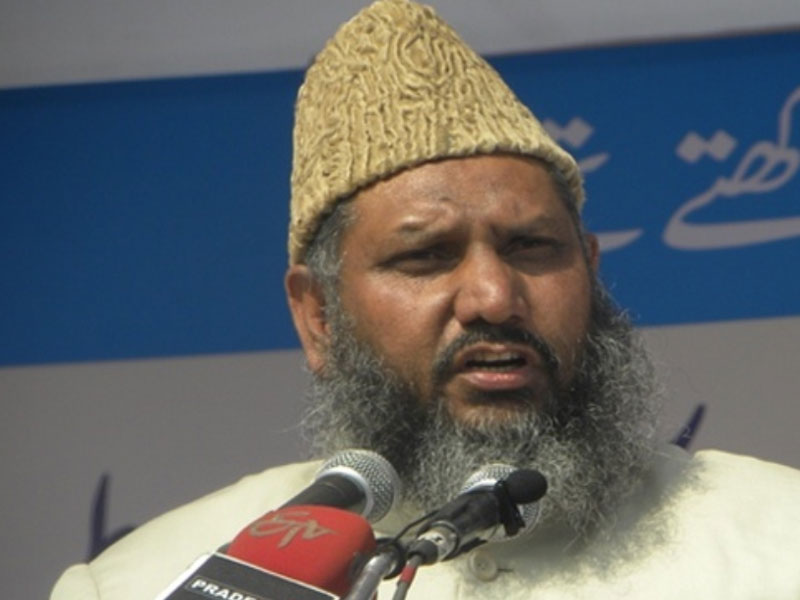
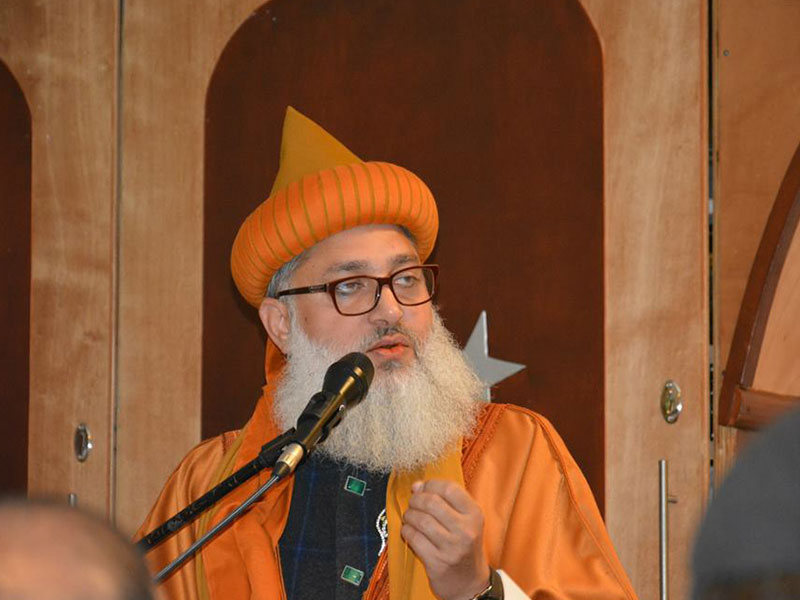
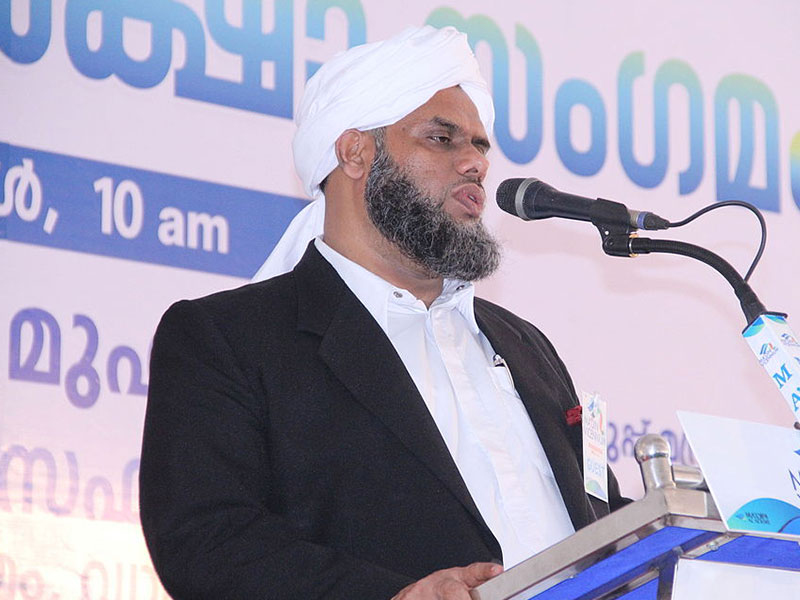
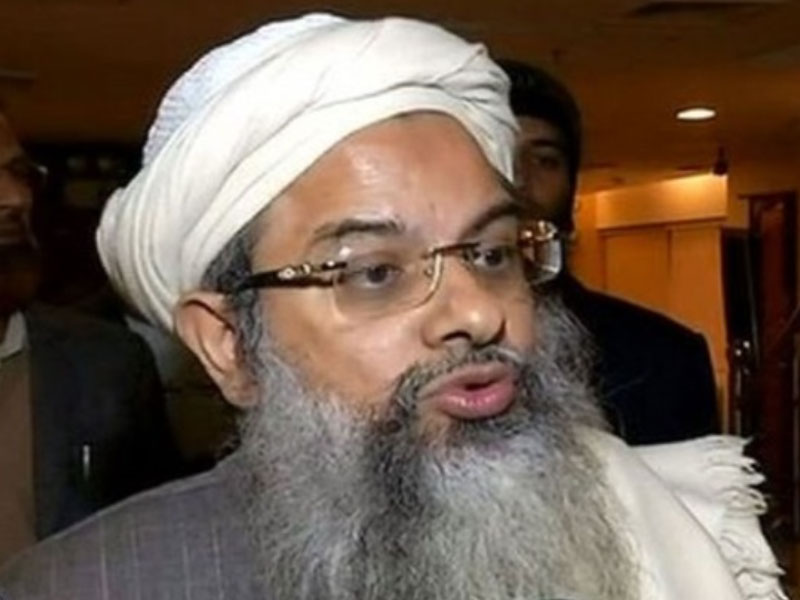
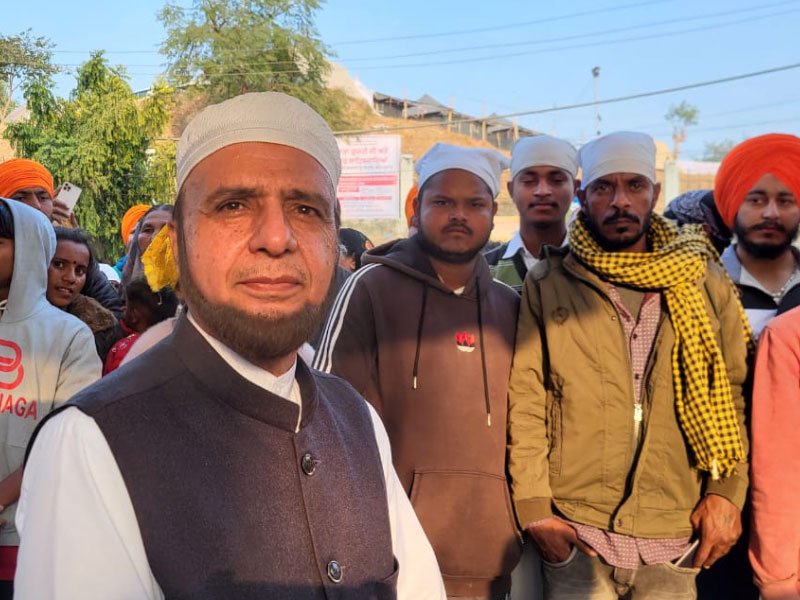
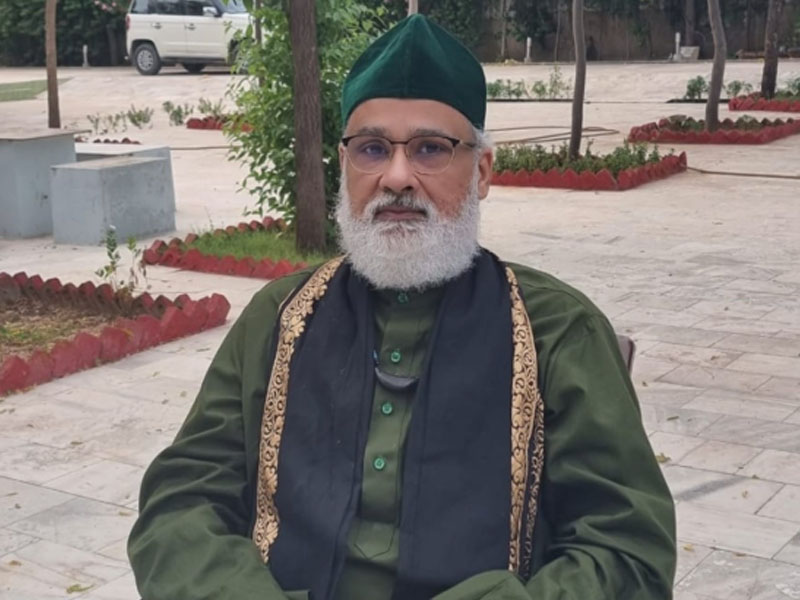
Qumruzzama Azmi (born 1946) widely respected as Maulana Azmi, is a distinguished Islamic scholar and one of the most influential voices in contemporary Islamic thought and leadership. Born in Azamgarh, Uttar Pradesh, India, in 1946, he received his early Islamic education at the esteemed Al Jamiatul Ashrafia, Mubarakpur, where he excelled in Islamic jurisprudence, theology, and Arabic literature.
Maulana Azmi’s profound understanding of Islamic teachings, coupled with his eloquence and insight, quickly earned him a reputation as a dynamic leader. His efforts to bridge gaps between communities and promote Islamic values in modern contexts have made him a sought-after scholar worldwide.
Azmi has dedicated much of his life to serving the Muslim community globally. He is closely associated with the World Islamic Mission (WIM), a prominent organization committed to promoting unity among Muslims and addressing the challenges they face. As the General Secretary of WIM, he has played a pivotal role in establishing mosques, Islamic centers, and educational institutions in various countries, particularly in Europe and North America.
An ardent advocate of peaceful coexistence, Maulana Azmi emphasizes the importance of interfaith dialogue and communal harmony. His lectures and writings have inspired countless Muslims to uphold the principles of justice, compassion, and ethical conduct.
Maulana Azmi is also deeply committed to the socio-economic upliftment of marginalized communities. He has initiated programs for education, healthcare, and poverty alleviation, ensuring the integration of Islamic values with humanitarian service.
Despite his international commitments, he remains rooted in his scholarship, dedicating time to writing, teaching, and guiding students of Islamic sciences. His intellectual contributions and spiritual leadership continue to influence generations of Muslims worldwide.
Qumruzzama Azmi’s legacy is one of knowledge, service, and unwavering dedication to the cause of Islam and humanity.