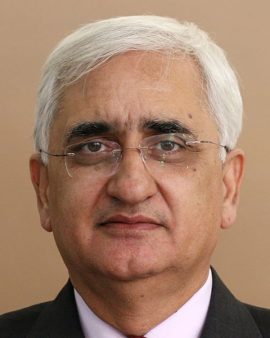
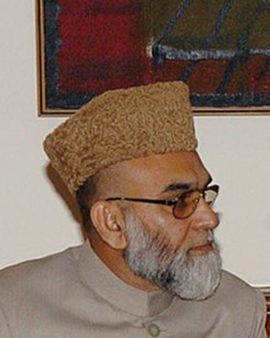
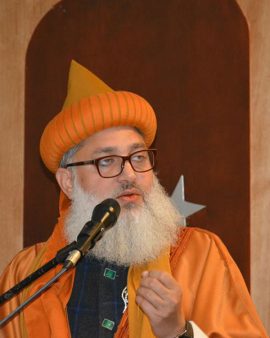
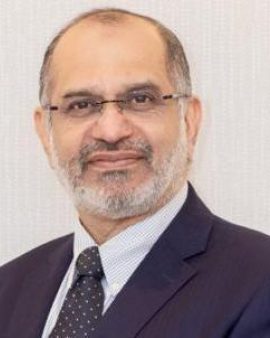
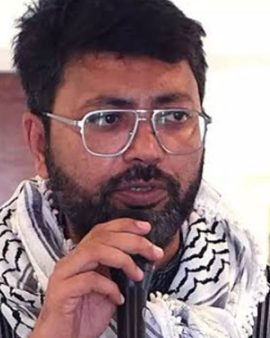
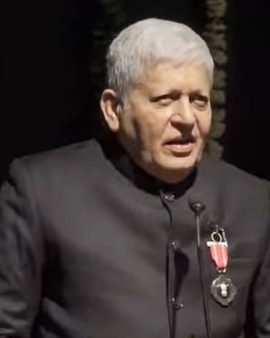
Khalid Saifullah Rahmani: Islamic Scholar, Academic
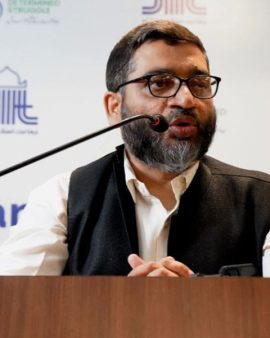
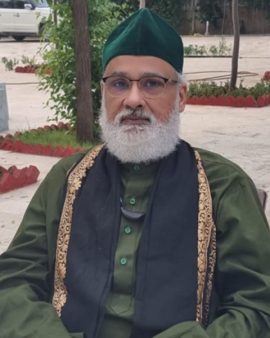
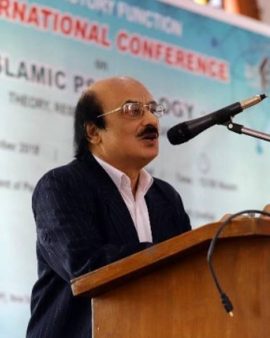
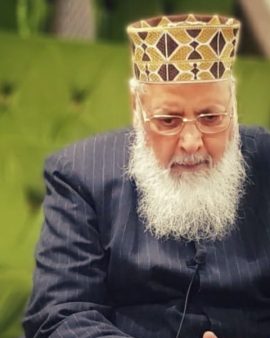
Maulana Khalid Saifullah Rahmani (born in 1956) is a prominent Islamic scholar, jurist, and author known for his profound contributions to Islamic jurisprudence and thought. Born on July 15, 1956, in Phulwari Sharif, Bihar, India, Maulana Rahmani hails from a family deeply rooted in Islamic scholarship. He is a descendant of the renowned Sufi saint, Shah Abdur Rahim Raipuri, which significantly influenced his early upbringing and spiritual outlook.
Maulana Rahmani pursued his Islamic education at Darul Uloom Deoband, one of the most prestigious Islamic seminaries in the world. There, he excelled in his studies, specializing in Islamic jurisprudence (Fiqh) and Arabic literature. His intellectual rigor and deep understanding of Islamic law soon distinguished him as a scholar of repute.
Throughout his career, Maulana Khalid Saifullah Rahmani has held several key positions in the Islamic scholarly community. He is the General Secretary of the All India Muslim Personal Law Board (AIMPLB), an influential body that addresses issues related to Muslim personal laws in India. In this role, he has been at the forefront of advocating for the protection of Muslim personal law and has played a critical role in engaging with contemporary legal and social challenges facing the Muslim community in India.
Maulana Rahmani is also the founder and rector of Al-Mahad Al-Ali Al-Islami, a higher Islamic educational institution that aims to produce scholars equipped to address modern challenges within an Islamic framework. He has authored numerous books and articles on a wide range of topics, including Islamic jurisprudence, social issues, and contemporary challenges faced by Muslims.
His writings, lectures, and legal opinions (fatwas) are highly regarded for their clarity, depth, and relevance to modern contexts. Maulana Khalid Saifullah Rahmani continues to be a guiding light for scholars, students, and the Muslim community at large, contributing to the preservation and development of Islamic thought in the contemporary world.