Imran Pratapgarhi: Poet and Politician
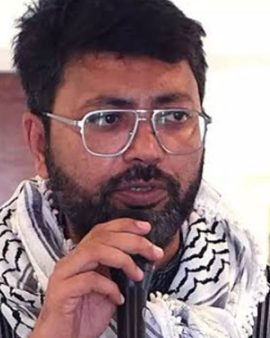
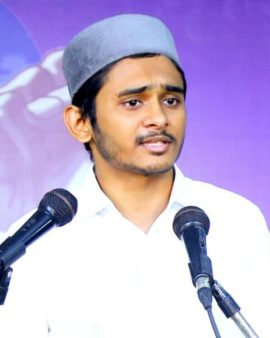
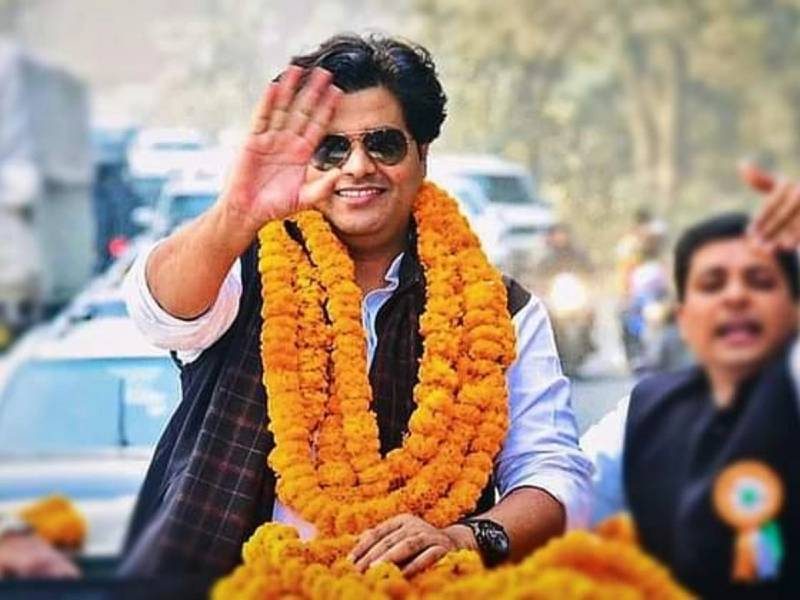
Imran Pratapgarhi (born in 1987) in Pratapgarh, Uttar Pradesh, is a renowned poet, social activist, and politician who has made significant contributions to both literature and public service. Known for his evocative poetry and fiery speeches, he seamlessly blends art and activism, making him a prominent voice for the marginalized.
Pratapgarhi rose to fame through his emotionally charged poetry, primarily written in Urdu and Hindi. His verses often reflect themes of social justice, communal harmony, and the struggles of the underprivileged. Imran’s poetic style resonates with the masses, especially the youth, as he fearlessly addresses issues of inequality and discrimination. His poetry recitals at mushairas (poetry gatherings) across India and abroad have earned him widespread recognition and a loyal following.
In addition to his literary achievements, Imran ventured into politics, driven by his commitment to social causes. He is a member of the Indian National Congress and currently serves as a Member of Parliament in the Rajya Sabha, representing Uttar Pradesh. Imran’s entry into politics marked his transition from being a voice of dissent in literature to actively participating in policymaking. As a politician, he continues to champion the causes of social justice, secularism, and minority rights.
Imran Pratapgarhi’s ability to connect with people through both poetry and politics sets him apart. His works, such as the iconic poem Madad Chahiye during the COVID-19 crisis, highlight his empathetic nature and commitment to societal well-being.
A dynamic blend of poet and politician, Imran Pratapgarhi exemplifies how art can inspire change and politics can amplify the voices of the unheard. His journey reflects the power of words and actions in shaping a more inclusive and equitable society.