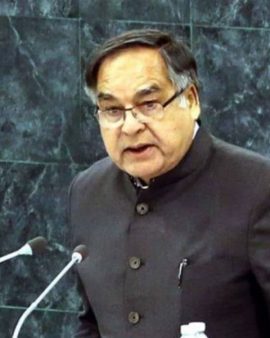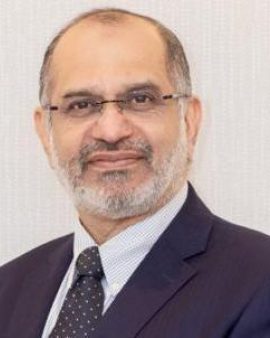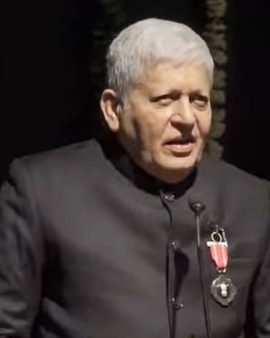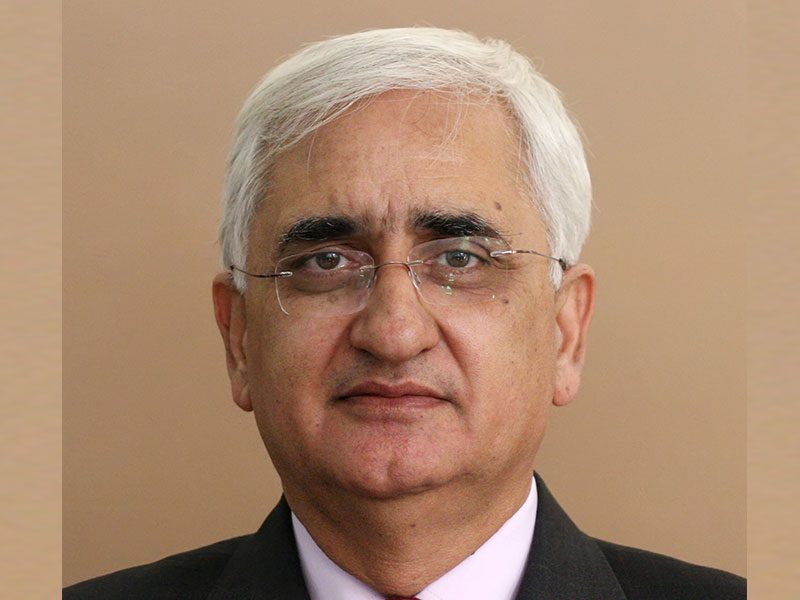
Salman Khurshid Alam Khan (politician)
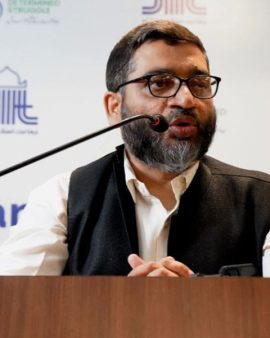
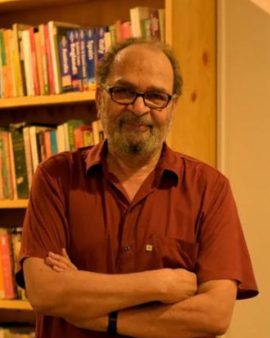
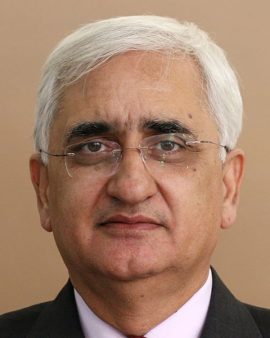
Salman Khurshid Alam Khan (born 1 January 1953) is an Indian politician, senior advocate, author, and law teacher. A member of the Indian National Congress, he served as the Cabinet Minister for External Affairs. Khurshid has represented Farrukhabad in the Lok Sabha, first from 1991–1996 and later in 2009. His political career began in 1981 as an Officer on Special Duty in the Prime Minister’s Office under Indira Gandhi. He later held roles as Deputy Minister of Commerce and Minister of State for External Affairs.
Born to Khurshed Alam Khan, a former Union Minister, and the grandson of Zakir Husain, India’s third President, Khurshid has Pathan ancestry linked to the Afridi and Kheshgi tribes. He was educated at St. Xavier’s High School, Delhi Public School, and St. Stephen’s College, Delhi. He earned his M.A. and Bachelor of Civil Law from St. Edmund Hall, Oxford, and taught law at Trinity College, Oxford.
Khurshid has held significant political roles, including President of the Uttar Pradesh Congress Committee and Delhi Public School Society. He was instrumental in managing portfolios for Minority Affairs, Corporate Affairs, and Law and Justice during his tenure as a Union Minister. Despite losing elections in 2014 and 2019, his political influence remains notable.
As a writer, Khurshid has authored the play Sons of Babur and books like Sunrise over Ayodhya, which sparked controversy for its critique of Hindutva, leading to his house being vandalized. He has also edited The Contemporary Conservative: Selected Writings of Dhiren Bhagat.
Khurshid and his wife Louise run the Zakir Hussain Memorial Trust, which faced allegations of financial mismanagement in 2012. Although they denied the charges, the controversy, dubbed "Operation Dhritrashtra," led to extensive investigations and public scrutiny. Despite challenges, Khurshid continues to be a prominent voice in Indian politics and intellectual circles.