Salman Khan is one of the most prominent and influential actors in the Indian film industry. Born on December 27, 1965, in Indore, Madhya Pradesh, he is the eldest son of veteran screenwriter Salim Khan. With a career spanning over three decades, Salman has established himself as a leading figure in Bollywood, known for his charismatic screen presence, mass appeal, and philanthropic work.
Salman made his acting debut in a supporting role in Biwi Ho To Aisi (1988), but it was his breakthrough role in Maine Pyar Kiya (1989) that catapulted him to stardom. Over the years, he has delivered numerous blockbusters, including Hum Aapke Hain Koun..!, Karan Arjun, Wanted, Dabangg, Bajrangi Bhaijaan, and Sultan. Known for his action-packed roles and signature dance moves, Salman enjoys a massive fan following across India and internationally.
In addition to acting, Salman is a successful film producer under his banner Salman Khan Films. He has also hosted several seasons of the popular television reality show Bigg Boss, further solidifying his position as a household name.
Beyond cinema, Salman Khan is widely recognized for his humanitarian efforts. In 2007, he founded the charitable organization Being Human, which supports education and healthcare initiatives for the underprivileged.
Despite facing several legal controversies throughout his career, Salman’s popularity has remained largely unaffected. He continues to be a dominant force in Bollywood, known for his generosity, larger-than-life image, and strong box-office draw.
With a blend of stardom, resilience, and social impact, Salman Khan remains an enduring icon in Indian cinema, influencing generations of actors and audiences alike. His contribution to entertainment and charity makes him one of the most complex and fascinating figures in contemporary Bollywood.
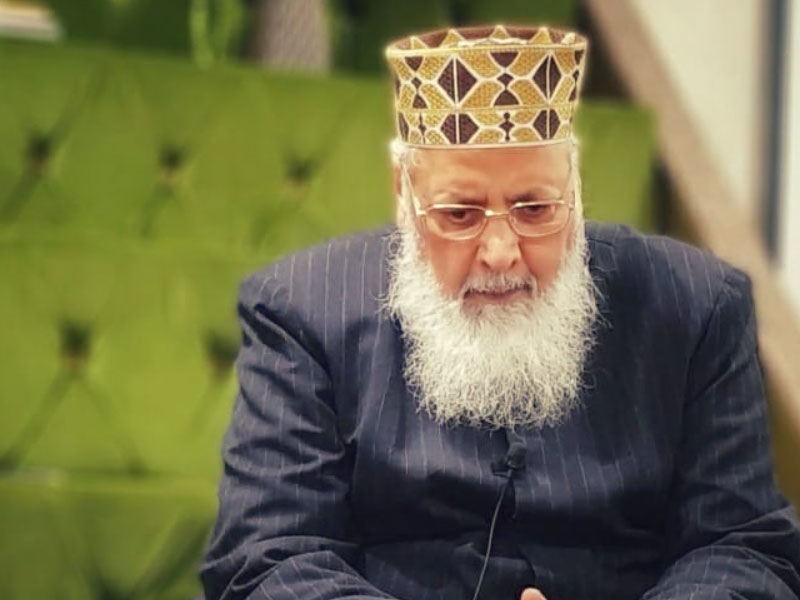
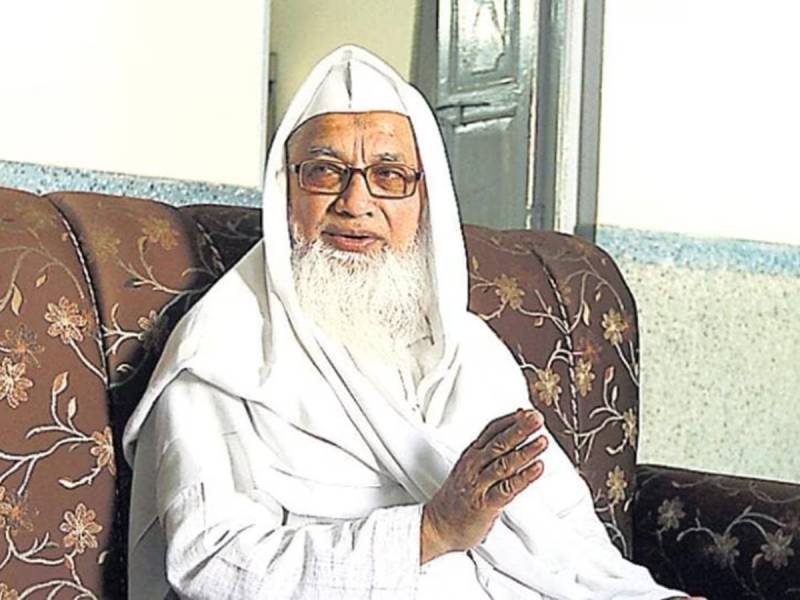
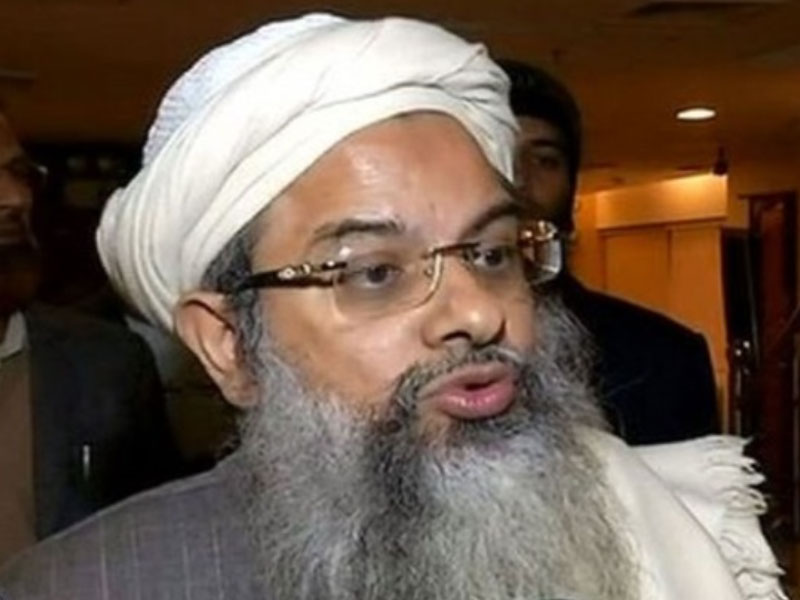
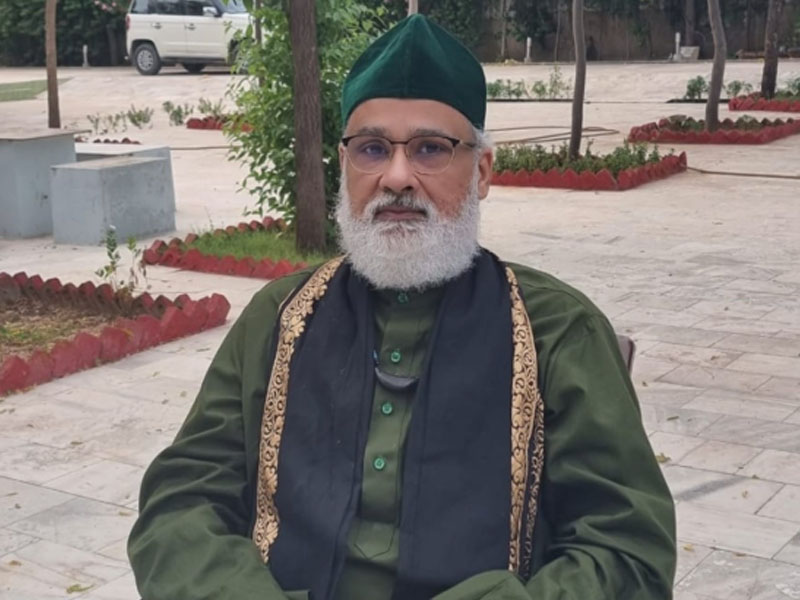
Qumruzzama Azmi: Islamic Scholar
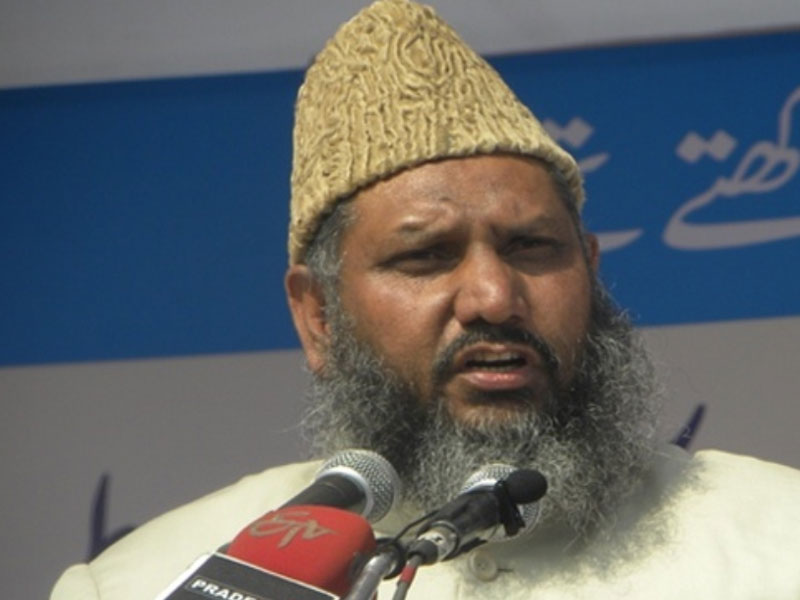
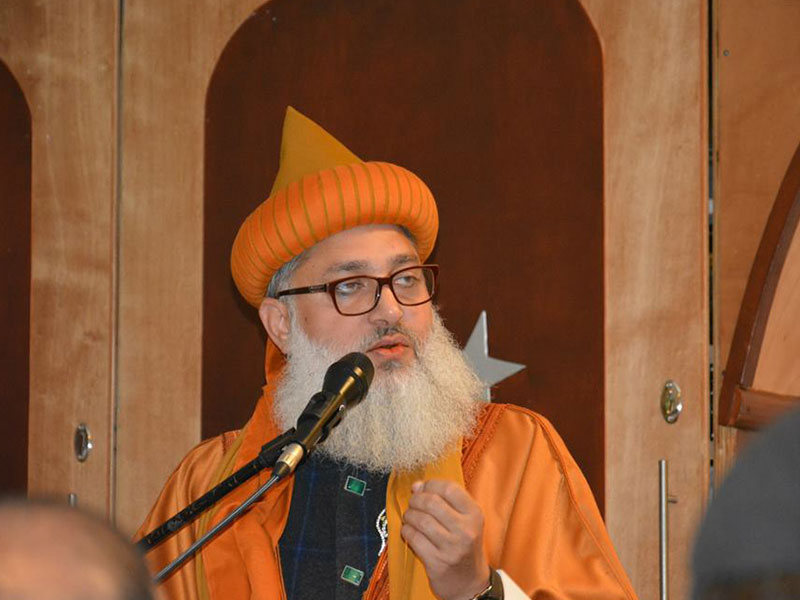
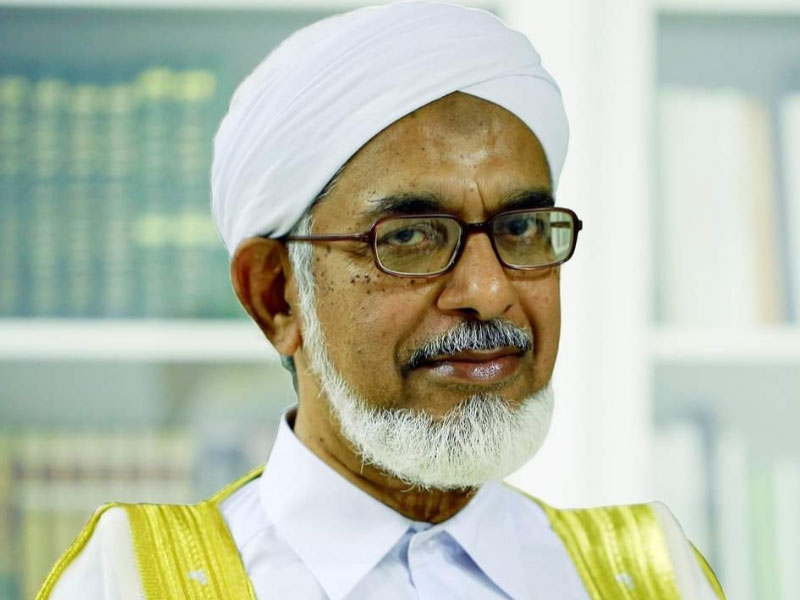
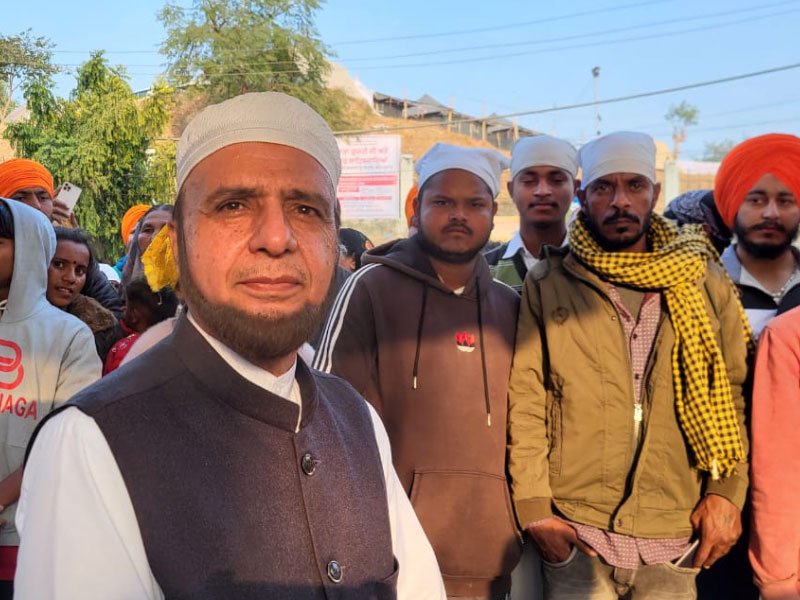
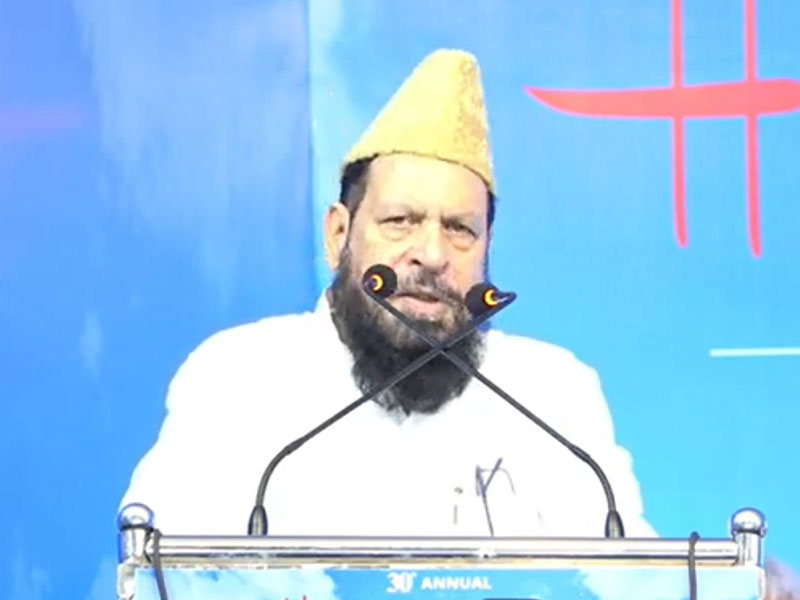
Qumruzzama Azmi (born 1946) widely respected as Maulana Azmi, is a distinguished Islamic scholar and one of the most influential voices in contemporary Islamic thought and leadership. Born in Azamgarh, Uttar Pradesh, India, in 1946, he received his early Islamic education at the esteemed Al Jamiatul Ashrafia, Mubarakpur, where he excelled in Islamic jurisprudence, theology, and Arabic literature.
Maulana Azmi’s profound understanding of Islamic teachings, coupled with his eloquence and insight, quickly earned him a reputation as a dynamic leader. His efforts to bridge gaps between communities and promote Islamic values in modern contexts have made him a sought-after scholar worldwide.
Azmi has dedicated much of his life to serving the Muslim community globally. He is closely associated with the World Islamic Mission (WIM), a prominent organization committed to promoting unity among Muslims and addressing the challenges they face. As the General Secretary of WIM, he has played a pivotal role in establishing mosques, Islamic centers, and educational institutions in various countries, particularly in Europe and North America.
An ardent advocate of peaceful coexistence, Maulana Azmi emphasizes the importance of interfaith dialogue and communal harmony. His lectures and writings have inspired countless Muslims to uphold the principles of justice, compassion, and ethical conduct.
Maulana Azmi is also deeply committed to the socio-economic upliftment of marginalized communities. He has initiated programs for education, healthcare, and poverty alleviation, ensuring the integration of Islamic values with humanitarian service.
Despite his international commitments, he remains rooted in his scholarship, dedicating time to writing, teaching, and guiding students of Islamic sciences. His intellectual contributions and spiritual leadership continue to influence generations of Muslims worldwide.
Qumruzzama Azmi’s legacy is one of knowledge, service, and unwavering dedication to the cause of Islam and humanity.