Sharjeel Imam: Scholar, Activist
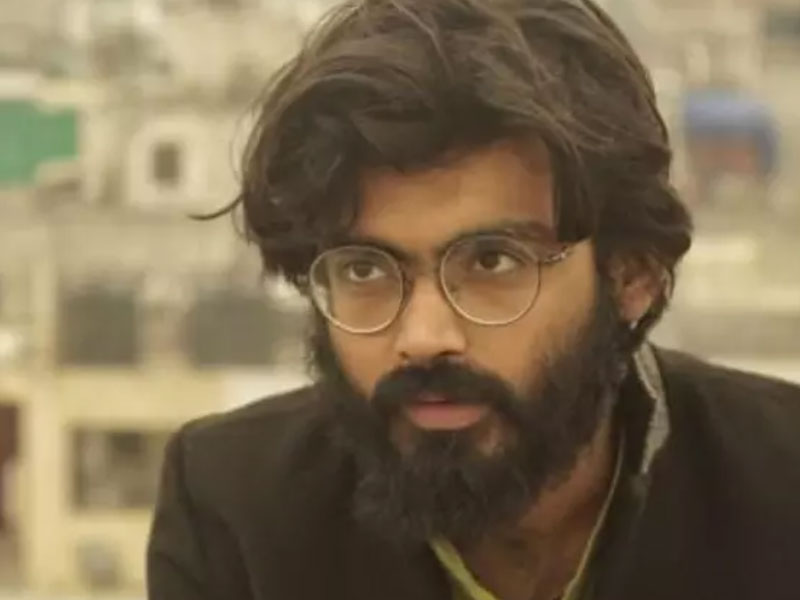
Sharjeel Imam (1988) is a prominent Indian Muslim activist and scholar. Born in Kako village in Jehanabad, Bihar, Sharjeel is an alumnus of IIT-Bombay. He completed his B.Tech. and M.Tech. in Computer Engineering before shifting to the social sciences. He later pursued a master’s degree and Ph.D. in Modern History at Jawaharlal Nehru University (JNU), where he became known for his sharp political analyses and activism. Imam rose to national prominence during the anti-Citizenship Amendment Act (CAA) protests of 2019–20 and has since faced sedition and UAPA charges for allegedly inflammatory speeches.
Sharjeel comes from a well-educated family. His father, Akbar Imam, was a local politician, while his mother is a homemaker. He attended missionary schools in Patna before completing his schooling at Delhi Public School, Vasant Kunj, in 2006. After working in the technology sector for a few years, he returned to academia in 2013, drawn to historical research and political thought.
Imam played a key organizational role in the anti-CAA movement, contributing to the mobilization that led to landmark protests such as the Shaheen Bagh sit-in. One of his speeches—calling for a peaceful blockade of the Siliguri Corridor—became the basis for sedition and UAPA charges. Arrested in January 2020, he has remained in detention, facing multiple cases across Delhi, Assam, and Uttar Pradesh.
A broad section of civil society, including academics, activists, and journalists, argue that his statements were misinterpreted and that the charges against him are politically motivated. Figures such as Aakar Patel and former Supreme Court judge Justice Markandey Katju have publicly called for his release, citing concerns over free speech and democratic rights. Students’ groups, teachers, and rights organizations have also condemned his prolonged incarceration.
Despite securing bail in some cases, Imam continues to remain in custody in connection with the alleged conspiracy behind the 2020 Delhi riots. His prolonged detention underscores ongoing debates about dissent, state power, and minority rights in contemporary India.