Mirwaiz Mohammad Umar Farooq: Politician/ Religious Leader
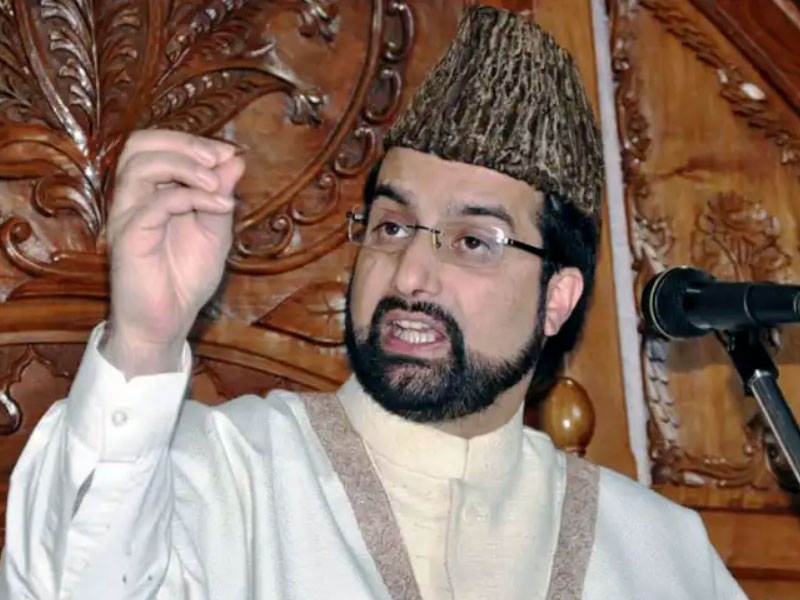
Mirwaiz Mohammad Umar Farooq (1973) is one of the most influential separatist leaders and Islamic clerics in the Kashmir Valley. As the 14th Mirwaiz of Kashmir—a hereditary position that combines religious leadership with social authority—and the chairman of the All Parties Hurriyat Conference (APHC), he commands vast spiritual and political influence. Since 2004, he has led a key faction of the APHC, advocating peaceful dialogue and a negotiated settlement of the Kashmir dispute involving India, Pakistan, and the people of Kashmir.
Born into a prominent religious and political family, Umar Farooq was thrust into public life at the age of 17 after his father, Mirwaiz Maulvi Farooq, was assassinated in 1990. The violence that erupted during his father’s funeral procession left a deep impact on the young cleric and shaped his political worldview. Soon after, he played a central role in uniting 23 pro-freedom groups under the banner of the APHC, which became a major platform advocating for Kashmiri self-determination through non-violent means.
Educated at Burn Hall School in Srinagar, Mirwaiz Umar initially wished to become a software engineer. However, the political situation and his inherited responsibilities drew him into religious and public leadership. He later completed his PhD from Jamia Millia Islamia, writing his thesis on Shah-e-Hamdan, the 14th-century Sufi scholar whose arrival significantly shaped Kashmir’s Islamic and cultural identity.
Over the years, Umar Farooq has consistently emphasized the need for dialogue, diplomacy, and international engagement. His prominence earned him a place in Time magazine’s list of Asian Heroes. However, his political activities also made him a target of state restrictions. On August 4, 2019, a day before the revocation of Jammu and Kashmir’s special status, he was placed under house arrest. Although briefly released in September 2023, he was re-detained in October, preventing him from delivering Friday sermons and resuming his religious duties.
Mirwaiz Umar Farooq remains a central figure in Kashmir’s socio-political landscape, symbolizing both its religious heritage and its unresolved political aspirations.