Nurul Islam: Educationist
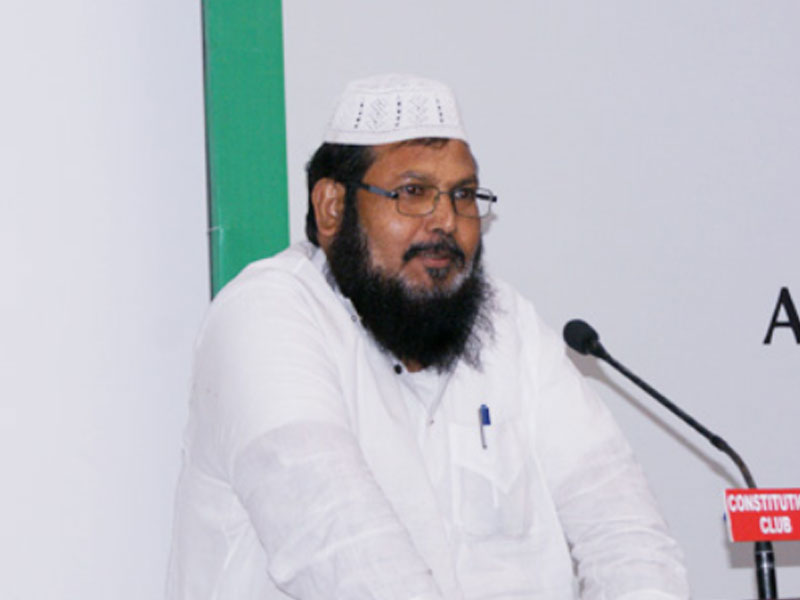
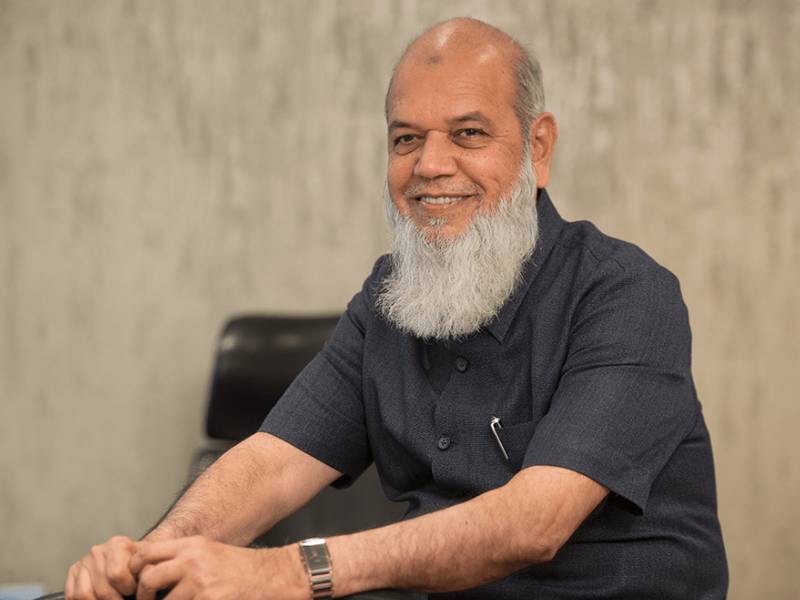
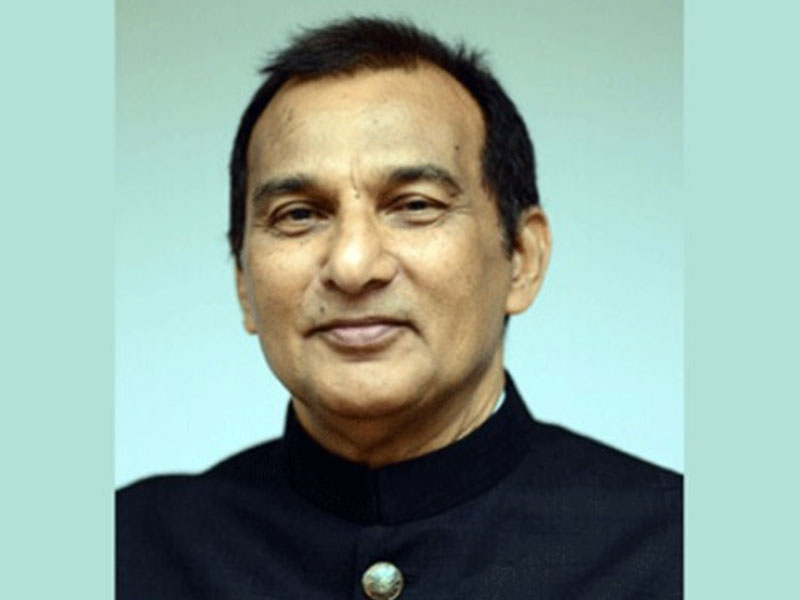
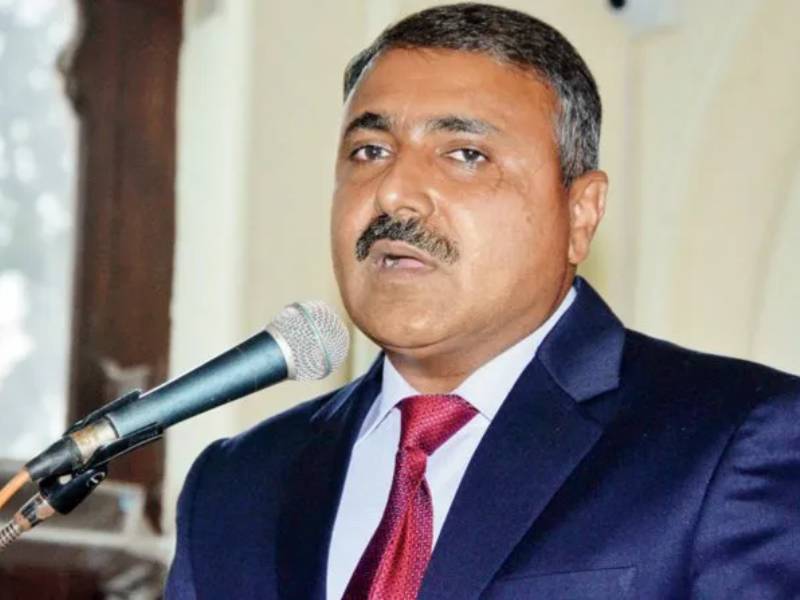
M. Nurul Islam (1953) is widely credited with spearheading a quiet but transformative educational movement for the Muslim community in the rural belts of West Bengal, a region where Muslims have long remained among India’s most socio-economically marginalized groups.
Born in the small village of Khalatpur in Howrah district, Nurul Islam displayed an early commitment to learning and community upliftment. While still in class 10, he established the Khalatpur Junior Madrasa, marking the beginning of his lifelong mission. His passion soon led to the founding of the Institute of Islamic Culture in 1984. Two years later, while working as a madrasa teacher, he set up a small hostel with just seven students. To sustain this initiative, he pioneered an innovative community-based support model: collecting a fistful of rice from every household in the village.
Inspired by both Dr. Mumtaz Ahmed Khan, founder of the Al-Ameen Movement, and the ethos of the Ramakrishna Mission, the institution was renamed Al-Ameen Mission in January 1986. Under Nurul Islam’s visionary leadership, the Mission grew exponentially. Today, it operates 74 branches across 18 districts, housing around 23,500 residential students. Over the decades, nearly 49,000 students have graduated from its campuses, which follow the WBBSE, WBHSE, and CBSE curricula. In recognition of its impact, the Government of West Bengal awarded the Mission the Banga Bhushan Award in 2015.
The Mission extends beyond academics, offering scholarships, financial aid, and interest-free loans for unemployed Muslims, making it a major socio-educational force in the state. Its strong focus on modern education—particularly NEET and JEE preparation—has enabled thousands of students to enter premier medical, engineering, and professional institutions across India.
Nurul Islam’s pioneering work has reshaped the educational landscape for Muslim youth in Bengal. His efforts have not only raised academic aspirations but also instilled hope, confidence, and a sense of empowerment across communities.